
How to Spot an AI Scam Before It’s Too Late: 10 Red Flags Everyone Should Know
Meta description: AI scams cost people billions in 2026 alone. Here are 10 red flags that separate a real message, call, or offer from an AI-powered con — before you lose money or your identity.
Your bank never called you. Your “boss” never texted you asking for gift cards. Your favorite celebrity never DM’d you about a crypto opportunity. But somewhere out there, someone’s voice, face, or writing style just got used to convince a stranger otherwise — and it worked.
AI scams aren’t a future problem. They’re already the fastest-growing category of fraud, and the tools that power them keep getting cheaper and more convincing. The good news: most AI scams still leave fingerprints, if you know where to look. Here are 10 red flags that can save you from becoming the next headline.
1. The Voice or Video Is Almost Right — But Not Quite
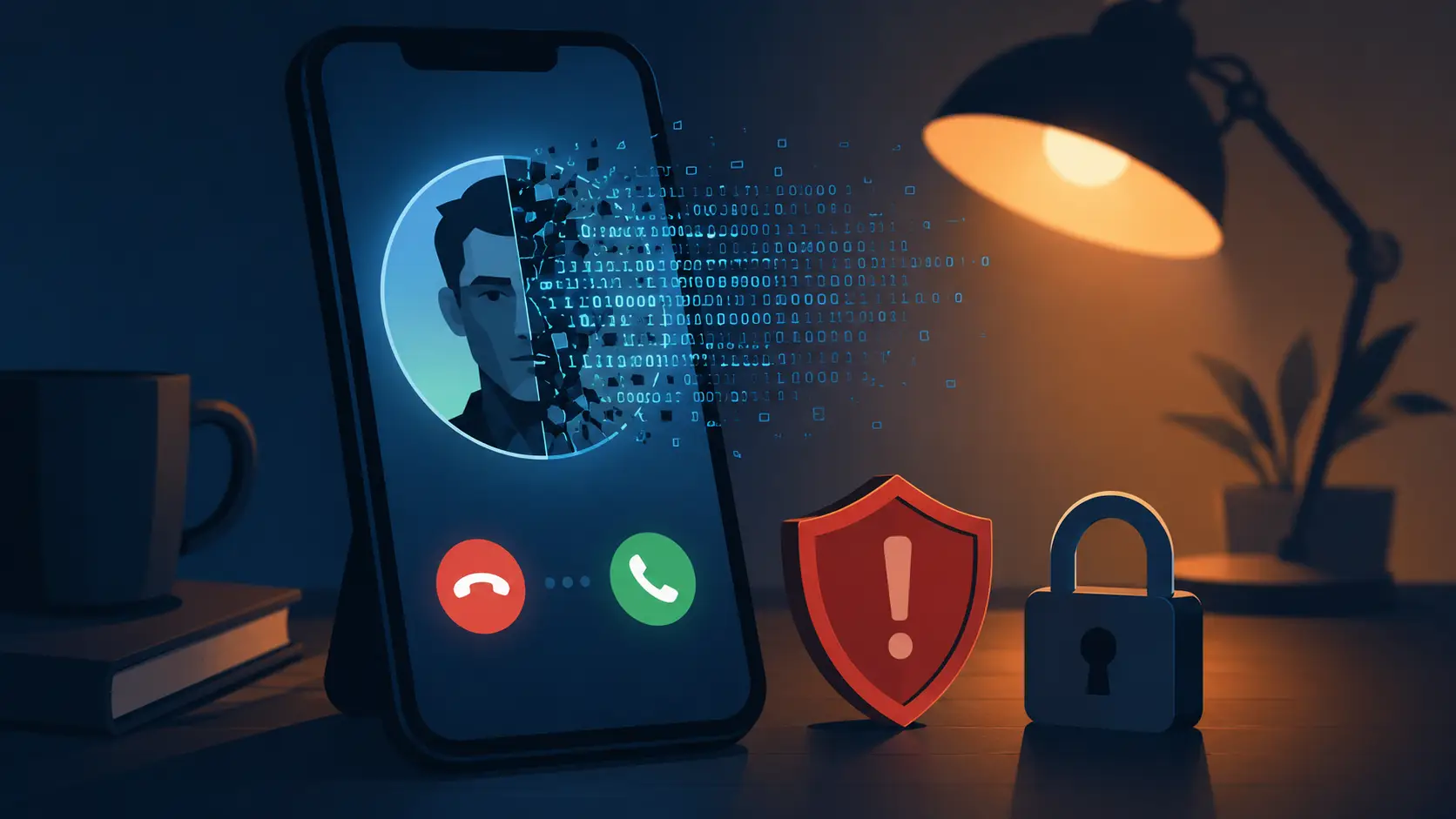
Voice cloning and deepfake video have gotten frighteningly good, but they still slip up under pressure: a flat emotional tone, mismatched lip movement, odd pauses, or audio that sounds slightly “underwater.” If a video call from a relative or coworker feels a little off, trust that instinct — ask a question only the real person would know the answer to.
2. Urgency Is the Whole Pitch
Scammers, human or AI-assisted, rely on panic to shut down your critical thinking. “Your account will be suspended in 10 minutes.” “Wire the money now or the deal falls through.” Legitimate institutions almost never demand instant, irreversible action. Urgency is a tactic, not a fact.
3. The Request Involves Gift Cards, Crypto, or Wire Transfers
No real employer, government agency, or family member in a genuine emergency will ask to be paid in gift cards or crypto. These payment methods are popular with scammers specifically because they’re nearly impossible to trace or reverse.
4. Perfect Grammar, Generic Tone
AI-written phishing emails used to be easy to spot because of bad grammar. Not anymore. Now the red flag is the opposite: writing that’s too polished and generic, missing the small personal details or specific quirks a real colleague or friend would include.
5. They Contact You First — Out of Nowhere
A message, call, or friend request from someone you don’t know, referencing an opportunity, refund, or emergency you weren’t expecting, is one of the oldest scam patterns there is. AI just makes the opening line more convincing.
6. The “Too Good to Pass Up” Investment
AI-generated ads featuring fake celebrity endorsements for crypto platforms or trading bots have exploded. If a stranger’s video promises guaranteed returns, especially with a familiar face attached, assume it’s fabricated until proven otherwise.
7. They Discourage You From Verifying
Real requests welcome double-checking. Scam requests actively discourage it — “don’t tell anyone,” “don’t call the office, just reply here,” “this is confidential.” Any pressure to skip verification is itself a red flag.
8. Small Inconsistencies in a Long Conversation
AI chatbots used in romance or friendship scams can sustain a conversation for weeks, but they still tend to contradict earlier details — a birthday that changes, a job that shifts, a story that doesn’t quite line up. Keep a mental (or literal) note of what they’ve told you.
9. A Sudden Request to Move the Conversation Elsewhere
If a conversation that started on a dating app, social media, or a marketplace suddenly needs to move to an encrypted app or personal number “for privacy,” treat that as a signal to slow down, not speed up.
10. You Feel Pressure to Act Alone
This might be the most important one. Scammers, AI-powered or not, work best when you’re isolated from a second opinion. If something makes you want to keep it secret from a partner, friend, or bank before acting, that secrecy is doing the scammer’s work for them.
The Bottom Line
None of these red flags alone proves a scam — but two or three together should be enough to make you pause, verify independently, and slow down. The tools behind these scams are new. The psychology behind them is ancient: urgency, isolation, and trust exploited for money. Recognizing that pattern is still the best defense there is.
Think you’ve spotted an AI scam attempt? Report it to the FTC at ReportFraud.ftc.gov, and share this guide with anyone who might need it.
