


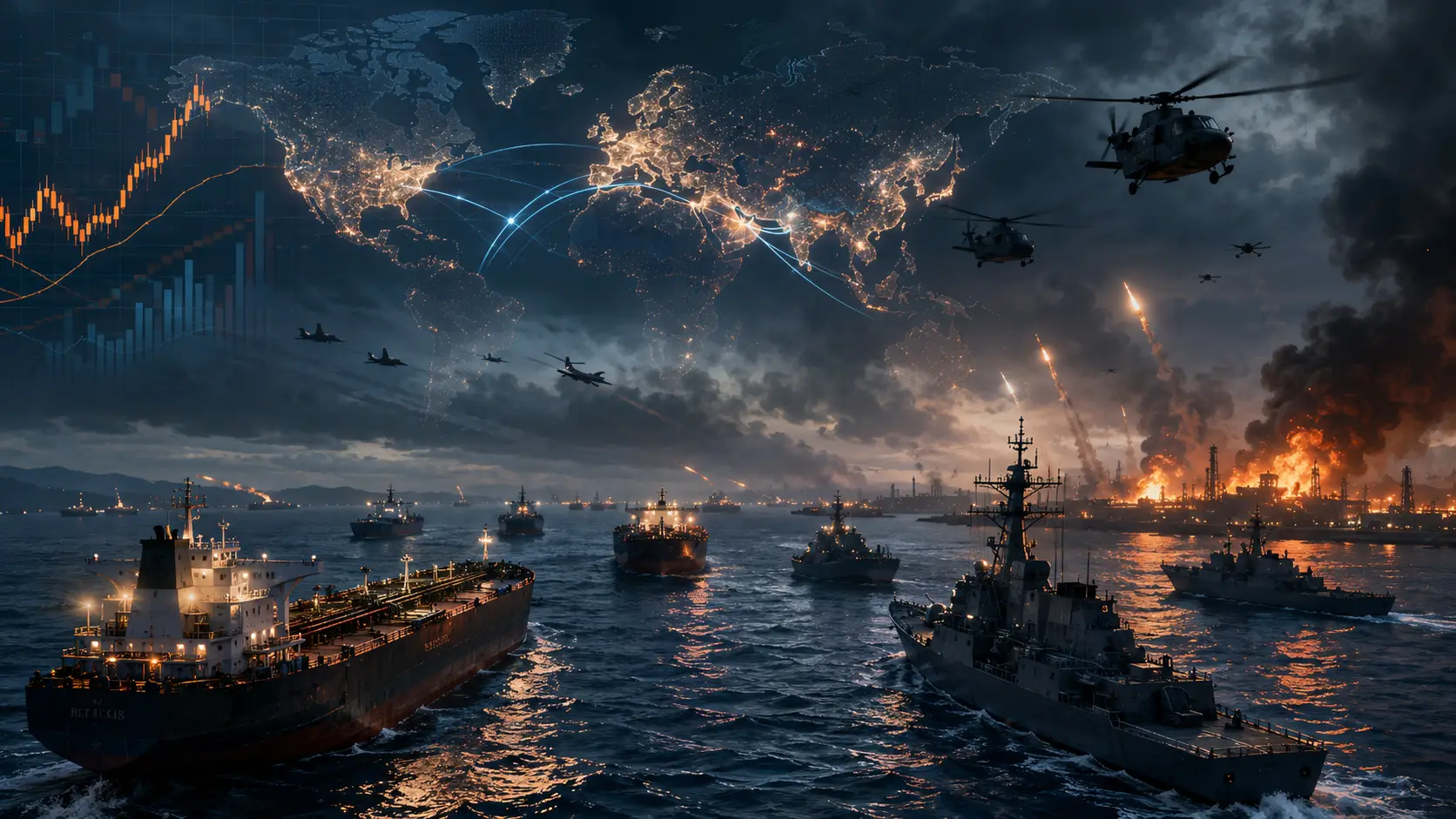
Iran–U.S. Conflict Escalates: New Airstrikes, Gulf Tensions Rise, and Global Markets on Edge
Published: July 15, 2026
The conflict between the United States and Iran has entered another dangerous phase, with fresh military action, heightened tensions across the Gulf, and growing concerns about the impact on global energy supplies and international security.
As both sides exchange military strikes and diplomatic efforts struggle to gain momentum, governments and businesses worldwide are closely monitoring developments in one of the world’s most strategically important regions.
Fresh U.S. Airstrikes Target Iranian Military Infrastructure
The United States has launched a new wave of airstrikes against Iranian military targets, saying the operations are intended to weaken Iran’s ability to threaten international shipping and U.S. forces in the region.
According to U.S. officials, the strikes focused on military installations, missile sites, and facilities believed to support operations near the Strait of Hormuz. Washington maintains that the campaign is defensive in nature and aims to protect commercial shipping routes and regional stability.
The Pentagon has not indicated that the operation is complete, suggesting additional military actions remain possible if threats continue.
Iran Responds With Missile and Drone Attacks
Iran has responded by launching missiles and drones toward locations housing U.S. military personnel in the Gulf.
Regional air defense systems reportedly intercepted several incoming projectiles, limiting damage in some areas. Iranian officials described the attacks as retaliation for the American strikes and warned that any further military action would receive a stronger response.
Military analysts caution that even limited exchanges increase the risk of a broader regional conflict if either side miscalculates.
Why the Strait of Hormuz Matters
Much of the current tension centers on the Strait of Hormuz, one of the world’s most important maritime chokepoints.
A significant share of global oil and liquefied natural gas exports passes through this narrow waterway every day. Any disruption can quickly affect international energy markets, shipping costs, and fuel prices worldwide.
Recent military activity has increased concerns about the safety of commercial vessels operating in the area, prompting shipping companies to review security measures and insurance costs.
Oil Prices Climb as Investors React
Financial markets responded quickly to the renewed conflict.
Oil prices moved higher as investors worried about possible disruptions to energy exports from the Gulf. Even the possibility of prolonged instability in the region has been enough to create volatility in commodity markets.
Energy analysts note that prolonged disruptions could influence:
- Global fuel prices
- Shipping and freight costs
- Inflation in energy-importing countries
- Aviation operating expenses
- Manufacturing and transportation costs
For consumers, this could eventually translate into higher prices for fuel and goods if tensions persist.
Airlines and Shipping Companies Remain Alert
Airlines continue monitoring regional airspace and may adjust flight paths if security conditions worsen.
Meanwhile, commercial shipping companies are closely following military developments in the Gulf, where any escalation could delay cargo movements and increase transportation costs.
Although international trade continues, businesses remain cautious as the security situation evolves.
Diplomatic Efforts Continue Behind the Scenes
Despite the military escalation, diplomatic channels remain open.
Regional mediators, including Oman, continue working to encourage dialogue between Washington and Tehran. International leaders have repeatedly urged restraint, emphasizing that further escalation would threaten regional and global stability.
However, progress toward negotiations remains uncertain while military operations continue.
What This Means for the Middle East
The latest developments have placed neighboring countries on heightened alert.
Governments across the Gulf are monitoring the situation closely, strengthening security around key infrastructure and preparing contingency plans should the conflict expand.
Energy producers, airlines, shipping companies, and financial markets are all watching for signs that tensions could either ease—or intensify further.
What Happens Next?
Several possible scenarios are being discussed by security experts:
- Additional U.S. strikes if attacks against American forces continue.
- Further Iranian missile or drone operations in response.
- Increased diplomatic efforts aimed at preventing a wider regional conflict.
- Continued volatility in oil prices and global financial markets.
While neither side has indicated a desire for a full-scale war, the current situation remains highly unpredictable. A single major incident could quickly change the trajectory of the conflict.
Global Attention Remains Focused on the Gulf
The Iran–U.S. confrontation is no longer just a regional issue. It has become a matter of global concern because of its potential impact on energy supplies, international trade, financial markets, and geopolitical stability.
For now, governments, businesses, and millions of people around the world continue watching events unfold, hoping diplomatic efforts can prevent the conflict from escalating into a larger regional war.
As new developments emerge, the situation is expected to remain one of the most closely followed international stories of 2026.
