


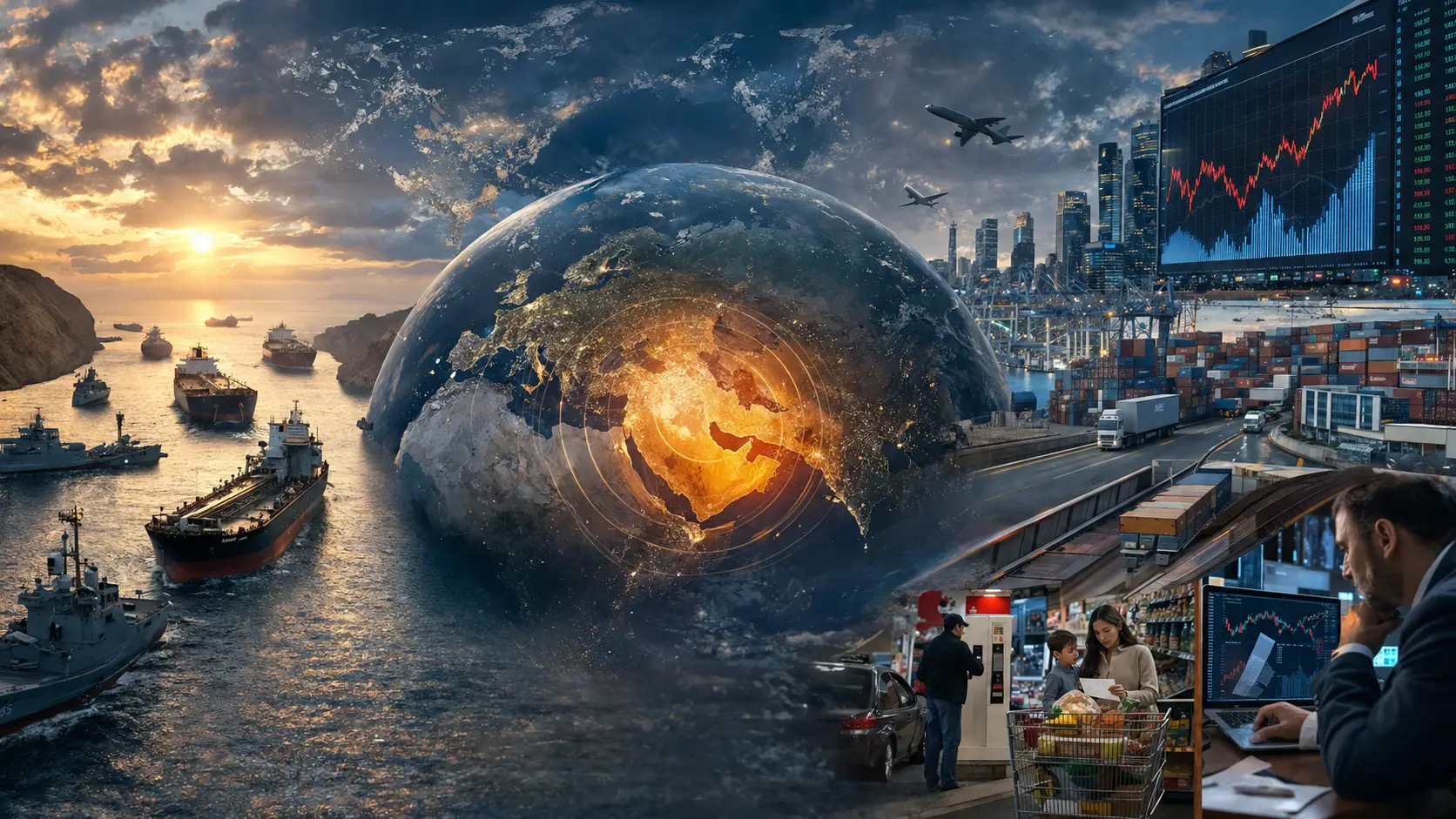
How the Iran–U.S. Conflict Is Affecting the World: Economy, Oil, Trade, and Everyday Life
The ongoing tensions between Iran and the United States have once again placed the Middle East at the center of global attention. While military confrontations may appear geographically distant for many people, their consequences extend far beyond the region.
From rising fuel prices and inflation to disruptions in global shipping, financial markets, and international travel, conflicts involving major strategic regions can have worldwide economic and political effects.
This article explains how the Iran–U.S. conflict could influence the global economy, businesses, governments, and ordinary people around the world.
Why This Conflict Matters Globally
The Middle East is one of the world’s most important energy-producing regions. Several major oil-exporting countries are located there, and a significant portion of the world’s crude oil passes through the Strait of Hormuz.
When tensions rise in this region, governments, investors, and businesses become concerned about potential disruptions to global energy supplies. Even the possibility of reduced exports can influence prices and markets worldwide.
1. Rising Oil Prices
One of the first and most visible consequences of increased tensions is higher oil prices.
If shipping routes become unsafe or production slows, global oil supplies may tighten. As demand remains strong while supply becomes uncertain, prices often increase.
Higher oil prices affect nearly every country because oil is essential for:
- Transportation
- Manufacturing
- Agriculture
- Electricity generation in some regions
- International shipping
As businesses pay more for fuel, many pass those costs on to consumers.
2. Higher Fuel Costs for Consumers
When crude oil prices rise, drivers often notice the effects at petrol stations.
People may experience:
- More expensive gasoline
- Higher diesel prices
- Increased transportation costs
- Rising delivery charges
Public transport operators, airlines, and logistics companies also face higher operating expenses, which can eventually lead to increased ticket prices and shipping fees.
3. Inflation Around the World
Energy affects almost every product people buy.
When transportation and manufacturing become more expensive, businesses often increase prices.
Consumers may notice higher costs for:
- Groceries
- Clothing
- Electronics
- Construction materials
- Household goods
Central banks may respond by maintaining higher interest rates to combat inflation, which can also affect mortgages, loans, and business investments.
4. Disruptions to Global Trade
International trade depends heavily on reliable shipping routes.
The Strait of Hormuz is one of the world’s busiest maritime chokepoints, carrying a large share of internationally traded crude oil and liquefied natural gas.
If shipping companies reroute vessels or delays occur due to security concerns, businesses may experience:
- Longer delivery times
- Increased freight costs
- Higher insurance premiums
- Supply shortages
Manufacturers relying on imported raw materials may also face production delays.
5. Financial Market Volatility
Global financial markets often react quickly to geopolitical uncertainty.
During periods of heightened conflict, investors may:
- Sell higher-risk assets
- Move money into traditionally safer investments
- Reduce investments in uncertain regions
Stock markets may become more volatile as traders respond to changing developments.
Companies in industries such as aviation, shipping, tourism, and manufacturing can experience greater pressure during periods of uncertainty.
6. Air Travel May Become More Expensive
Airlines sometimes modify flight routes to avoid conflict zones.
Longer routes require:
- More fuel
- Additional flight time
- Higher operating costs
Passengers may see:
- Increased ticket prices
- Flight cancellations
- Route adjustments
- Longer travel times
Travel insurance premiums may also rise for destinations considered higher risk.
7. Global Supply Chains Face New Challenges
Modern manufacturing depends on international supply chains.
Products often cross multiple countries before reaching consumers.
If shipping delays occur, businesses may struggle to obtain:
- Electronic components
- Machinery
- Industrial chemicals
- Automotive parts
- Consumer products
These disruptions can slow production and increase prices for finished goods.
8. Governments Increase Defense Spending
Periods of geopolitical instability often encourage governments to strengthen national security.
Some countries may:
- Increase military budgets
- Expand defense cooperation
- Invest in cybersecurity
- Strengthen border security
While these measures aim to improve national preparedness, they can also increase government spending and influence public budgets.
9. Businesses Delay Investments
Companies generally prefer stable economic conditions before making major investments.
When uncertainty increases, businesses may postpone:
- Factory expansions
- Hiring
- Infrastructure projects
- International partnerships
Reduced investment can slow economic growth in some regions.
10. Everyday Life Becomes More Expensive
Even people living thousands of kilometers away may experience indirect effects.
Households could notice:
- Higher grocery bills
- Increased electricity costs
- More expensive airline tickets
- Rising online shopping prices
- Higher transportation expenses
Although the conflict occurs in one region, globalization means economic effects often spread worldwide.
Which Industries Could Be Most Affected?
Several sectors are especially sensitive to geopolitical tensions.
Energy
Oil and natural gas producers often experience significant price movements during periods of uncertainty.
Shipping
Shipping companies may face rerouting costs, insurance increases, and operational delays.
Airlines
Higher fuel prices and longer flight paths can increase operating expenses.
Manufacturing
Factories relying on imported materials may experience production disruptions.
Financial Services
Banks and investors monitor geopolitical developments closely because uncertainty can influence markets and investment decisions.
Could the Global Economy Slow Down?
If tensions remain elevated for an extended period, slower global economic growth becomes a possibility.
Higher energy prices, persistent inflation, reduced consumer spending, and cautious business investment can collectively place pressure on economic activity.
However, the extent of the impact depends on several factors, including the duration of the conflict, the security of major shipping routes, diplomatic efforts, and how global markets adapt.
What Can Consumers Do?
While individuals cannot influence international events, they can prepare financially.
Some practical steps include:
- Maintaining an emergency savings fund.
- Reducing unnecessary expenses.
- Monitoring fuel and travel costs before making major purchases.
- Diversifying investments rather than reacting emotionally to market volatility.
- Staying informed through reliable news sources instead of social media rumors.
Final Thoughts
The Iran–U.S. conflict demonstrates how interconnected today’s world has become. A regional crisis can influence fuel prices, shipping routes, financial markets, inflation, and household budgets across continents.
While the long-term outcome remains uncertain, governments, businesses, and consumers alike continue to monitor developments closely. Understanding these global connections helps explain why events in one part of the world can affect everyday life almost everywhere.
Frequently Asked Questions (FAQs)
How does the Iran–U.S. conflict affect oil prices?
Because the Middle East is a major oil-producing region, concerns about supply disruptions can push global oil prices higher.
Why are fuel prices linked to Middle East tensions?
Oil is traded on global markets. Any perceived threat to production or shipping can influence prices worldwide.
Can this conflict increase inflation?
Yes. Higher energy and transportation costs can raise the prices of goods and services, contributing to inflation.
Which industries are most affected?
Energy, shipping, airlines, manufacturing, logistics, and financial markets are typically among the sectors most sensitive to geopolitical tensions.
Does this conflict affect people outside the Middle East?
Yes. Global trade and interconnected economies mean changes in oil prices, shipping costs, and financial markets can impact consumers worldwide.
