

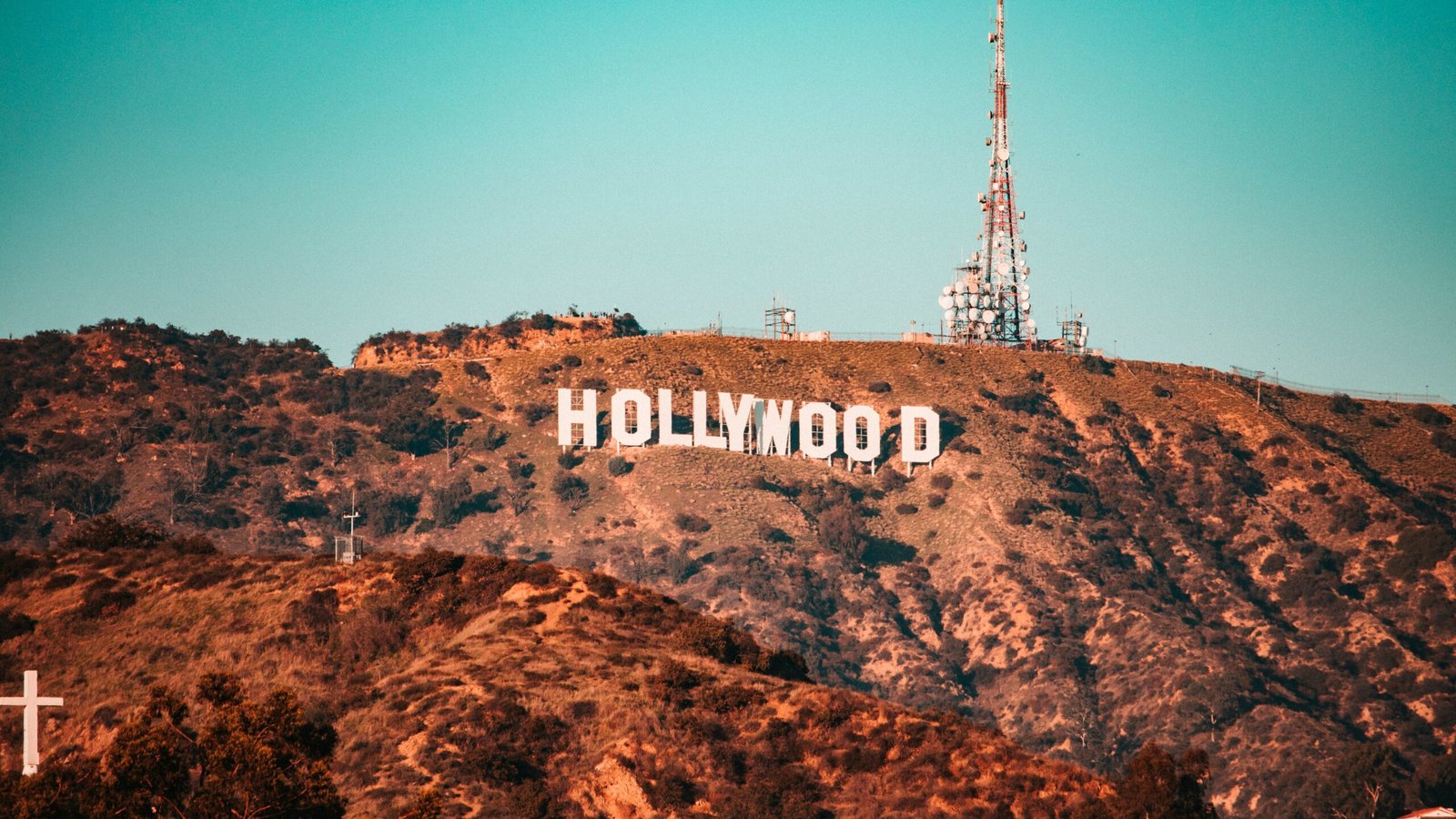
Artificial intelligence is transforming industries around the world, and the entertainment business is no exception. What once sounded like science fiction is now becoming a reality, with AI assisting in everything from script development and visual effects to casting and post-production.
The rise of Hollywood AI is opening new creative possibilities while also raising important questions about originality, copyright, and the future of filmmaking. As entertainment technology continues to evolve, filmmakers are discovering new ways to blend human creativity with machine intelligence.
Let’s explore how AI is reshaping modern cinema and what it could mean for the future of AI movies.
AI in Scriptwriting
Writing a compelling screenplay still requires creativity, emotion, and storytelling experience. However, AI has become a valuable tool for writers rather than a replacement.
Today’s AI systems can:
- Brainstorm story ideas
- Generate dialogue suggestions
- Create character profiles
- Help organize plot structures
- Summarize scripts for producers
Many screenwriters now use AI to overcome writer’s block, speed up research, or explore different story directions. The final creative decisions, however, remain firmly in human hands.
AI Actors: A New Era of Digital Performers
One of the most talked-about developments in Hollywood is the emergence of AI-generated digital actors.
Using advanced visual effects, motion capture, and machine learning, studios can create realistic digital characters or recreate younger versions of actors for flashback scenes. AI can also help synchronize lip movements, improve dubbing, and generate more natural facial expressions.
Potential uses include:
- Digital background performers
- De-aging actors
- Voice recreation with permission
- Multilingual dubbing
- Enhanced visual effects
While these technologies can reduce production costs and expand creative options, they also raise concerns about performer rights and the use of a person’s likeness.
AI-Generated Films
AI is beginning to influence nearly every stage of movie production.
Filmmakers are experimenting with AI to:
- Generate concept art
- Create storyboards
- Design visual effects
- Edit video footage
- Produce background music
- Enhance sound quality
- Automate subtitle generation
Some independent creators have even produced short AI movies using generative tools for visuals, voiceovers, and editing. Although fully AI-generated feature films are still rare, the technology is improving rapidly and is likely to become more capable in the coming years.
Rather than replacing directors and production teams, AI is increasingly being used to speed up repetitive tasks, allowing creative professionals to focus on storytelling and artistic direction.
How Entertainment Technology Is Evolving
Modern entertainment technology extends beyond filmmaking.
Streaming platforms use AI to recommend movies and TV shows based on viewing habits. Studios analyze audience preferences to better understand trends, while editors use AI-powered software to organize footage and improve post-production workflows.
These tools help reduce production time, manage large amounts of media, and deliver more personalized entertainment experiences for viewers.
Ethical Debates Surrounding Hollywood AI
As AI becomes more deeply integrated into filmmaking, several ethical questions have emerged.
Ownership and Copyright
If an AI system helps generate a screenplay, soundtrack, or visual design, who owns the final work? Copyright laws are still evolving to address these new creative challenges.
Actor Rights
Many performers are concerned about the unauthorized use of their voices, faces, or digital likenesses. Consent, licensing agreements, and fair compensation have become central topics in discussions between studios and creative professionals.
Employment Concerns
Some writers, artists, editors, and visual effects professionals worry that AI could automate parts of their work. Others argue that AI will serve as a creative assistant, allowing professionals to work more efficiently rather than replacing them entirely.
Authenticity and Creativity
Audiences often value the human emotion and originality behind great films. As AI-generated content becomes more common, filmmakers will need to balance technological innovation with authentic storytelling.
Future Predictions
The role of AI in Hollywood is expected to grow significantly over the next decade.
Industry experts anticipate developments such as:
- Faster film production workflows
- More realistic digital characters
- Improved visual effects
- Real-time language translation for global releases
- Personalized viewing experiences
- AI-assisted editing and animation
- Enhanced virtual production techniques
Despite these advancements, human creativity is expected to remain at the heart of filmmaking. AI can generate ideas and automate technical tasks, but compelling stories still rely on imagination, emotion, and lived experience.
Final Thoughts
Artificial intelligence is changing how movies are written, produced, and experienced. From AI-assisted scriptwriting and digital performers to smarter editing tools and enhanced visual effects, Hollywood AI is becoming an important part of the filmmaking process.
The future of AI movies is likely to involve collaboration rather than competition between humans and machines. As entertainment technology continues to advance, the most successful filmmakers will be those who use AI to enhance creativity while preserving the artistic vision that makes cinema so powerful.
The conversation about ethics, transparency, and creative ownership will continue, but one thing is certain: AI is no longer a futuristic concept in Hollywood—it’s already helping shape the next generation of storytelling.
